Difference between Canon EF and RF mounts
Canon EF v.s. RF mount

Welcome to Defected Pixels, where we see beauty in the inconspicuous and overlooked details. With every defective pixel, we transform perceived imperfections into art, giving life to a story untold. Our aim is to offer a unique, riveting visual experience that invites viewers to discover and appreciate the beauty of the unconventional.
When it comes to camera mounts, Canon's EF and RF mounts are two of the most discussed in the world of photography. Both have their unique features and compatibilities, making them suitable for different types of photographers and videography needs. In this blog post, we’ll delve into the key differences between these two mounts to help you understand which might be the best fit for your photography needs.
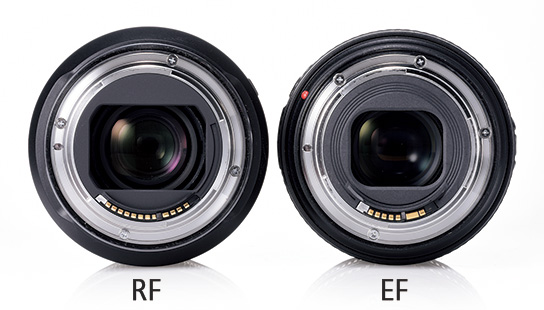
1. Mount Design and Compatibility
EF Mount: The EF mount, short for "Electro-Focus", has been Canon's standard lens mount since 1987. It's designed for Canon's full-frame and APS-C format DSLR cameras. The EF mount is known for its wide compatibility with a vast range of lenses, both from Canon and third-party manufacturers. This mount's key feature is its electronic communication between the camera and lens, allowing for features like autofocus and electronic aperture control.
RF Mount: Introduced in 2018 with Canon's EOS R series of mirrorless cameras, the RF mount is a newer technology. It's designed exclusively for Canon's full-frame mirrorless cameras. The RF mount stands out due to its shorter flange focal distance compared to the EF mount. This design change allows for sharper, higher quality images and paves the way for more innovative lens designs. However, the RF mount has a more limited range of lenses compared to the EF mount, but Canon is rapidly expanding this lineup.

2. Image Quality and Performance
Both mounts deliver high-quality images, but the RF mount, with its shorter flange distance, enables lens manufacturers to design lenses that are closer to the image sensor. This results in better edge-to-edge sharpness, less light fall-off, and generally improved optical performance. Additionally, the RF mount lenses are optimized for mirrorless camera systems, which often results in faster autofocus performance and better image stabilization.
3. Lens Selection and Availability
The EF mount, being older, has a much more extensive selection of lenses available. This includes a variety of zooms, primes, macro lenses, and specialty lenses like tilt-shift lenses. For photographers who need a specific type of lens, or who are on a budget, the EF mount offers more options.
On the other hand, the RF mount, though newer, has been gaining a rapidly expanding selection of lenses. Canon has been focusing on high-quality, high-performance lenses for the RF mount. While the selection is still growing, the available lenses tend to be more modern with advanced features.
4. Adaptability
One of the significant advantages of the RF mount is its adaptability with EF lenses. Using an EF-EOS R adapter, photographers can use their existing collection of EF lenses on RF-mount cameras without losing any image quality or autofocus speed. This adaptability makes the transition to mirrorless cameras easier and more affordable for existing Canon users.
Conclusion
In conclusion, the choice between EF and RF mounts largely depends on your camera system and your specific photography needs. If you are using a DSLR or prefer a wider variety of lens options, the EF mount is an excellent choice. However, if you are invested in mirrorless technology and prioritize cutting-edge lens performance, the RF mount is the way to go. Both mounts have their advantages, and understanding these differences can help you make a more informed decision for your photography journey.

